If you’ve searched how to care for a sulcata tortoise, you’ve probably found the same advice recycled across dozens of websites: give them a big enclosure, keep them warm, feed them greens. And while none of that is wrong, it barely scratches the surface of what these animals actually need to thrive in captivity.
African sulcata tortoises — also called African spurred tortoises — are the third largest tortoise species on Earth, and they come with a specific set of physiological and behavioral needs that most basic care guides simply gloss over. The result? Well-meaning owners who follow the standard advice and still end up with tortoises suffering from pyramiding shells, chronic dehydration, nutritional deficiencies, or stress-related illness.
This guide is different. It’s built around the gaps — the things most sulcata care content skips, underexplains, or gets flat-out wrong. Whether you’re preparing to bring home your first hatchling or you’ve had an adult sulcata for years and something still doesn’t seem right, this is the deeper dive you’ve been looking for.
Mistake #1: Underestimating How Fast Sulcatas Grow — and What That Demands
Most people adopting a sulcata hatchling are unprepared for the speed of their growth. A hatchling weighs just 2–4 ounces. Within five years, that same animal can exceed 30 pounds. Within 15 years, it may tip the scales at 100 pounds or more, with a shell stretching nearly 2.5 feet in length.
This isn’t a slow progression. It’s rapid — and every growth stage demands a different enclosure size, different diet density, different supplementation schedule, and different handling approach.
Here’s what the growth stages actually look like and what each one requires:
| Stage | Age | Weight | Min. Enclosure | Key Priority |
| Hatchling | 0–2 yrs | 2–4 oz | 3ft x 2ft | Daily soaking, humidity |
| Juvenile | 2–7 yrs | 2–10 lbs | 8ft x 4ft | UVB, calcium dusting |
| Sub-Adult | 7–15 yrs | 10–30 lbs | 25ft x 12ft | Outdoor setup, burrow |
| Adult | 15–20+ yrs | 80–120+ lbs | 300+ sq ft | Space, substrate depth |
The critical takeaway: plan for the adult, not the hatchling. Too many sulcata owners get years into ownership before realizing their enclosure and care routine haven’t kept pace with their tortoise’s needs.
Mistake #2: Treating Humidity as the Enemy
The most persistent myth in sulcata care is that because they come from arid desert environments, they should be kept bone dry. This is one of the most harmful oversimplifications in all of tortoise husbandry.
Yes, adult sulcata tortoises live in the Sahel and southern Sahara — environments with very low ambient humidity. But here’s what most guides omit: in the wild, sulcatas spend significant time in underground burrows where humidity levels are substantially higher than at the surface. Hatchlings, in particular, live almost entirely in these burrows during their first years of life.
Chronic low humidity in captivity is directly linked to two of the most common health problems in pet sulcatas:
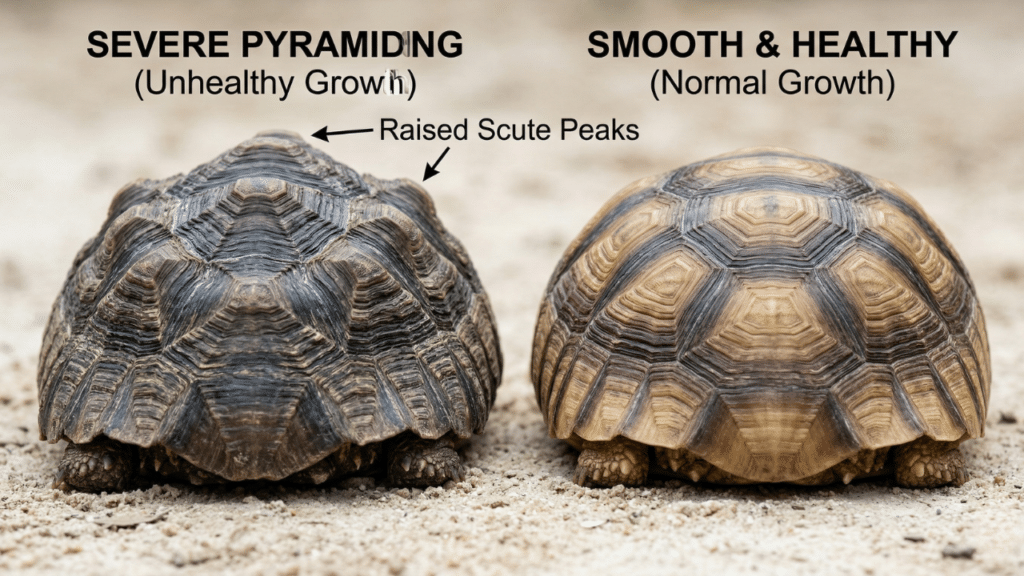
- Shell pyramiding — the abnormal, raised scute growth that results in a bumpy, pyramid-shaped shell. While once thought to be purely diet-related, current veterinary research strongly implicates low humidity during growth phases as a primary driver.
- Dehydration — sulcatas can become chronically dehydrated without obvious outward signs, particularly hatchlings and juveniles who lack the reserves of large adults.
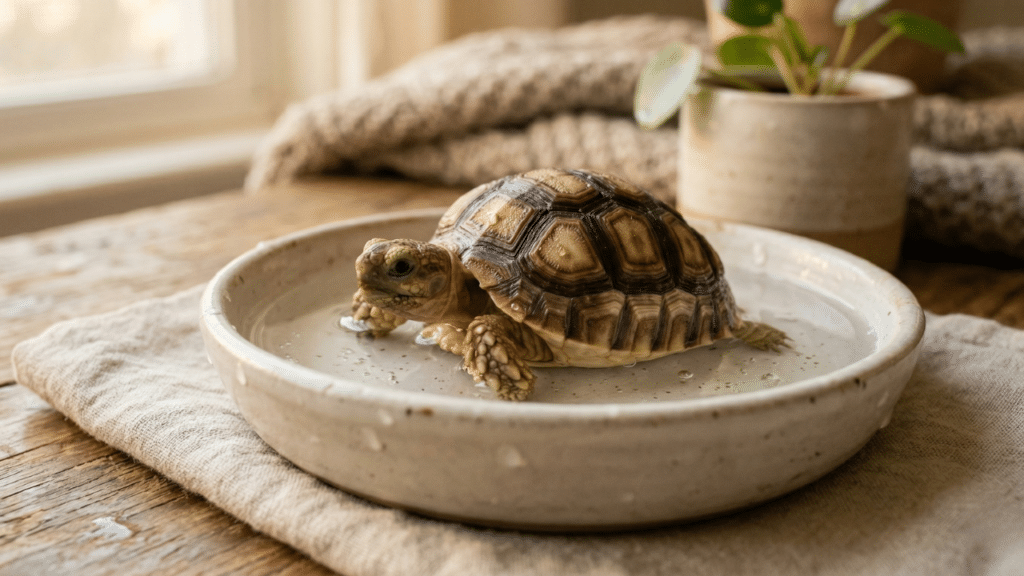
What to do instead: Maintain ambient humidity in the 40–60% range for adults, and closer to 70% for hatchlings and juveniles. Every enclosure should have a dedicated humid hide — a sheltered area with damp substrate (coco coir works well) where the tortoise can retreat and rehydrate passively. For hatchlings, daily soaking in shallow lukewarm water is non-negotiable.
Mistake #3: Getting Nutrition Wrong — It’s Not Just About Greens
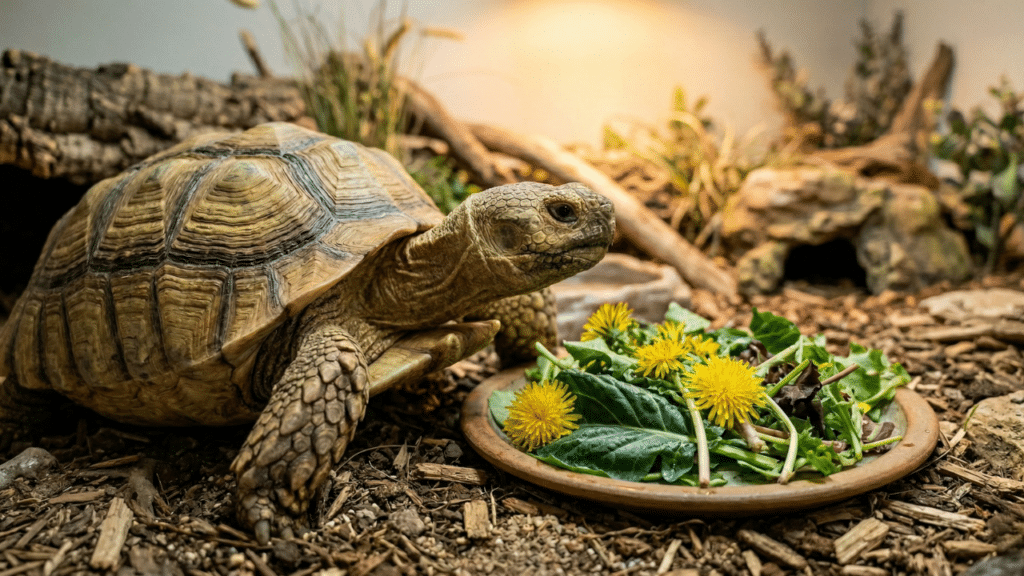
Knowing how to care for a sulcata tortoise means understanding that feeding them is more nuanced than tossing down some romaine lettuce and calling it a day. In the wild, sulcatas are grazers — their primary diet consists of tough, fibrous grasses and occasional succulents. Captive feeding often inverts this ratio entirely.
The Fiber Problem
Most greens commonly offered to sulcatas — lettuce, kale, spinach — are relatively low in fiber compared to the grasses that make up the bulk of a wild sulcata’s diet. High-fiber foods like timothy hay, orchard grass, and bermuda grass should form 60–80% of the adult sulcata’s diet. This isn’t optional: insufficient fiber leads to poor gut motility, abnormal digestion, and over time, serious gastrointestinal issues.
The Protein Trap
Excessive protein is one of the leading dietary causes of shell pyramiding and organ stress in sulcatas. Legumes, high-protein commercial pellets, and animal-based foods should be avoided entirely. Even certain greens — particularly those in the brassica family like kale, cabbage, and bok choy — contain goitrogens that interfere with thyroid function and should be fed only sparingly, if at all.
The Calcium-to-Phosphorus Ratio
This is where most care guides give a passing mention and move on, but the calcium-to-phosphorus ratio is genuinely critical for long-term shell and bone health in sulcatas. The goal is a dietary Ca:P ratio of approximately 2:1 or higher. Foods naturally high in oxalates — spinach, beet greens, Swiss chard — bind calcium and prevent absorption, making them counterproductive even when the rest of the diet is well-managed.
Calcium supplementation through dusting food with a quality calcium powder is essential for hatchlings and juveniles, and remains important for adults, particularly females during and after egg production.
Are You Starving Your Tortoise?
Save 10% on premium tortoise food and supplements from Tortoise Resource Center on Amazon now using code BUYNOWGET10
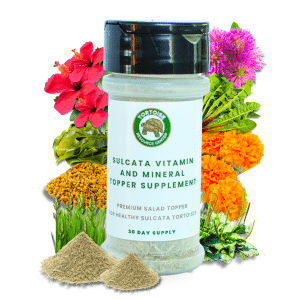
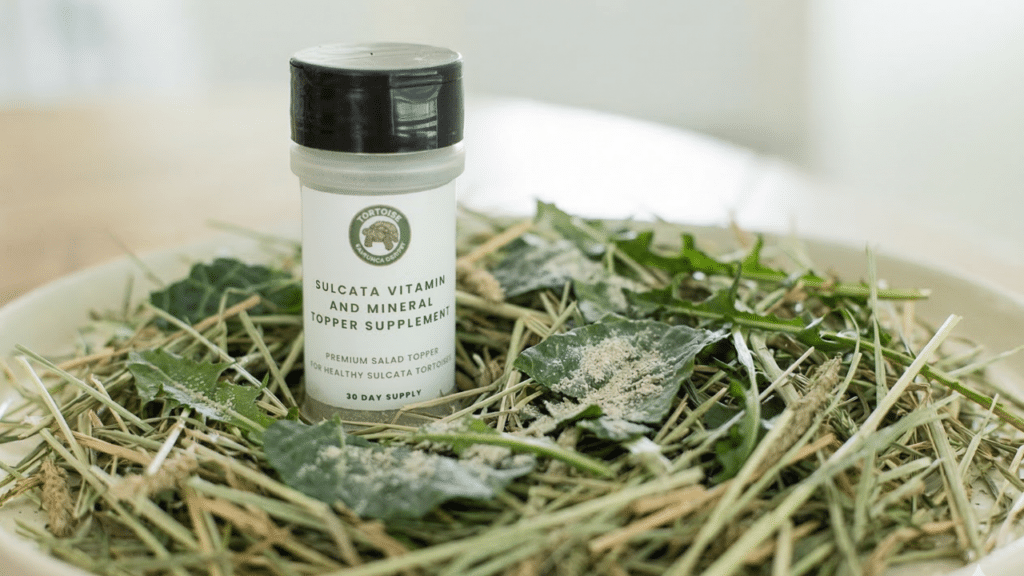
Sulcata Vitamin & Mineral Topper Supplement
30-Day Supply | 2 oz (56 g)
$24.99
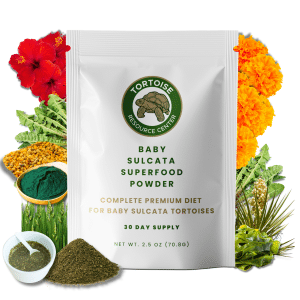
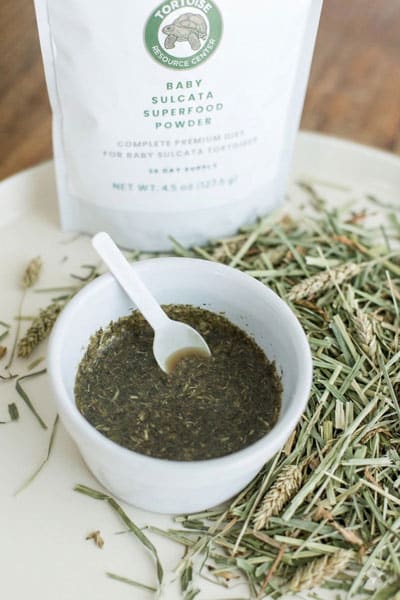
Baby Sulcata Tortoise Superfood Powder
30-Day Supply | 2.5 oz (70.8 g) Bag
$24.99
Mistake #4: Lighting Setup That Misses the Mark
UVB lighting is consistently listed as important in sulcata care guides — but the specifics of how to get it right are rarely explained well, and the consequences of getting it wrong are serious.
Sulcatas synthesize vitamin D3 through UV exposure, which is essential for calcium metabolism. Without adequate D3, even a well-supplemented diet can’t prevent metabolic bone disease (MBD) — a painful, progressive condition that weakens bones and causes shell deformities.
What Most Guides Miss About UVB
The effectiveness of a UVB bulb is not just about wattage. It’s about the UVI (UV Index) level at the point where the tortoise basks. For African sulcata tortoises — which evolved in intense equatorial sunlight — you should be targeting a UVI of 4.0 to 6.0 in the basking zone. Most standard reptile UVB bulbs at typical mounting heights don’t achieve this without careful calibration.
- Use a T5 HO (High Output) UVB tube, rated at 10% or 12% output — not the lower-output T8 bulbs that are often sold for reptiles.
- Mount the bulb at the correct distance — typically 10 to 18 inches above the basking surface, depending on the brand and fixture. Always verify with a Solarmeter 6.5 UV index meter.
- Replace bulbs every 6–12 months even if they still emit visible light. UVB output degrades well before the bulb stops glowing.
- Mesh lids and glass both block UV radiation. Direct, unfiltered light is required. If your enclosure has a mesh lid, factor in the reduction in UV transmission when positioning your light.
For sulcatas kept outdoors in climates with consistent temperatures above 75°F year-round, natural sunlight provides everything they need — but indoor animals should never rely on window light, which filters out UVB entirely.
Mistake #5: Ignoring the Mental and Physical Need for Space and Enrichment
Sulcata tortoises are active, exploratory animals. In their native habitat, they cover significant distances daily in search of food and thermoregulation opportunities. Confining them to an undersized enclosure doesn’t just cause physical health problems — it causes behavioral stress that manifests as pacing, shell-rubbing, loss of appetite, and immune suppression.
The standard enclosure size recommendations you’ll find in most guides are minimums, not ideals. A full-grown adult sulcata genuinely thrives in outdoor enclosures of 500 square feet or more. If that’s not currently possible, here’s how to maximize quality of life within a more constrained space:
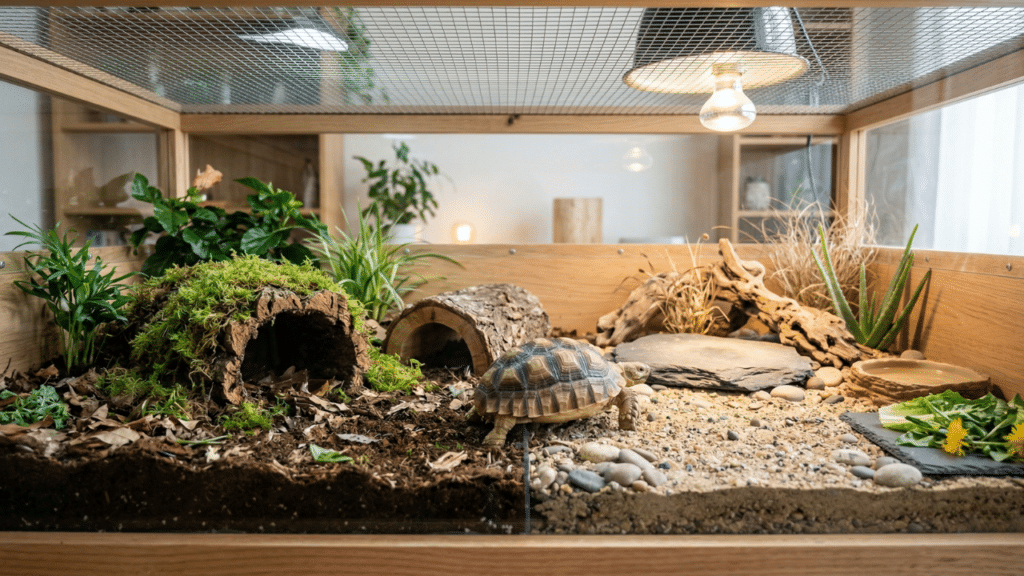
- Vary the landscape — rocks, mounds of substrate, hollow logs, and buried objects create a more stimulating environment and encourage natural behaviors like climbing, digging, and exploring.
- Offer foraging opportunities — scatter food rather than placing it in one spot. Spreading greens and grasses across a large area encourages natural grazing movement.
- Provide a proper burrow or humidity hide — this isn’t just about humidity. A sheltered retreat gives the tortoise the sense of security it needs to rest without stress.
- Avoid reflective surfaces inside the enclosure — sulcatas can mistake their own reflection for another tortoise, triggering territorial stress and relentless pacing behavior.
Mistake #6: Skipping Preventive Health Monitoring
Most new sulcata owners only think about health when something looks visibly wrong. But by the time obvious symptoms appear — lethargy, shell deformities, labored breathing — the underlying issue has often been developing for months.
Here’s a simple preventive monitoring framework for how to care for a sulcata tortoise at a high standard:
Monthly
- Weigh your tortoise and track growth against expected ranges for their age. Plateau in growth or sudden weight loss warrants investigation.
- Inspect the shell for early pyramiding, soft spots, discoloration, or unusual texture changes.
- Check eyes, nares (nostrils), and mouth for any discharge, swelling, or unusual coloring.
Quarterly
- Test and calibrate your thermometers, hygrometers, and UV index meter. Equipment drift is a common, overlooked cause of environmental problems.
- Deep clean and fully replace substrate.
Annually
- Schedule a wellness visit with a reptile-specialist veterinarian, even if your tortoise appears healthy. Fecal testing for parasites, blood panels for organ function, and shell assessments are standard preventive care.
The Health Issues Most Likely to Affect Your Sulcata
Understanding the most common health challenges is a core part of knowing how to care for a sulcata tortoise well. Here’s what to watch for and what drives each condition:
Shell Pyramiding
As discussed, this is the most visible sign that something has been wrong with diet or humidity during growth. Mild pyramiding in adults may be cosmetic, but severe cases can affect organ positioning and reproductive health. Prevention during the first five years is far more effective than any later intervention.
Metabolic Bone Disease (MBD)
Caused by calcium deficiency, inadequate UVB, or both. Symptoms include soft shell, rubbery limbs, lethargy, and in severe cases, fractures. Fully preventable with correct lighting and supplementation.
Bladder Stones
A common and underreported problem in sulcatas, often caused by chronic dehydration, excessive dietary protein, and a diet high in oxalate-containing plants. Regular soaking and a moisture-rich diet significantly reduce risk. Cases caught early can sometimes be resolved non-surgically.
Respiratory Infections
Usually triggered by temperature drops, drafts, or prolonged periods of cold. Symptoms include wheezing, nasal discharge, and open-mouth breathing. Prevention is straightforward: consistent temperatures and good ventilation without cold drafts.
Long-Term Commitment: What Caring for a Sulcata Actually Looks Like Over Time
One final thing most care guides fail to communicate clearly: a healthy sulcata will outlive most of the people who take them on as hatchlings. Captive lifespans regularly reach 70+ years. This isn’t a small animal you can house in a terrarium on your shelf. It’s a multi-decade commitment that will require increasingly larger outdoor spaces, significant ongoing costs for food, supplements, and veterinary care, and — eventually — a plan for what happens to your tortoise when you can no longer care for them.
This isn’t meant to discourage ownership. Sulcatas are genuinely remarkable animals with distinct personalities, and keepers who provide them with appropriate care often describe the relationship as one of the most rewarding they’ve had with any animal. But that reward comes from meeting their real needs — not the simplified version.
Now that you know how to care for a sulcata tortoise at a level most guides don’t reach, the next step is making sure your day-to-day routine reflects that knowledge — starting with what goes into their food bowl.