Ask most tortoise keepers how much protein a sulcata needs, and they’ll tell you: as little as possible. Low protein, high fiber — that’s the standard answer, and for adult sulcatas it’s largely correct. But here’s what that advice misses entirely: it was written for fully grown tortoises, not for the hatchlings and juveniles that many sulcata owners are actually raising.
Baby sulcata protein requirements are genuinely different from adults — not marginally, but significantly. A hatchling sulcata in its first six months can increase its body weight by 500% or more. That kind of growth demands amino acids, and the plant-based diet that keeps an adult sulcata healthy will leave a hatchling undernourished if you don’t understand how to calibrate it correctly.
This guide reframes the protein conversation entirely around growing sulcatas — giving you the specific numbers, the right plant sources, the warning signs in both directions, and a clear picture of how protein needs shift as your tortoise moves through each stage of development. If you’re raising a baby sulcata, this is the guide that applies to your animal.
Why Baby Sulcata Protein Needs Are Nothing Like Adults
Adult sulcata tortoises are maintenance animals. Their bodies are fully formed, their organ systems are mature, and their daily nutritional job is simply to sustain what’s already there. A high-fiber, low-protein diet of grasses and leafy greens does that job well.
Baby sulcatas are construction sites. Every single day, a healthy hatchling is building new muscle tissue, developing organs, mineralizing bone, and laying down the keratin that will form the foundation of their shell for the next 70+ years. None of that happens without a steady supply of amino acids — the molecular building blocks that only come from dietary protein.
There’s a second layer to this that most guides skip over: baby sulcatas haven’t yet developed the highly efficient digestive systems that allow adult tortoises to extract maximum nutrition from fibrous, low-protein plant matter. Their gut is still maturing. They need more concentrated nutrition, including higher protein density, to get what they need from the food they eat.
The result is a genuine nutritional gap between what’s appropriate for adults and what’s appropriate for growing animals — and conflating the two is one of the most common mistakes in baby sulcata care.
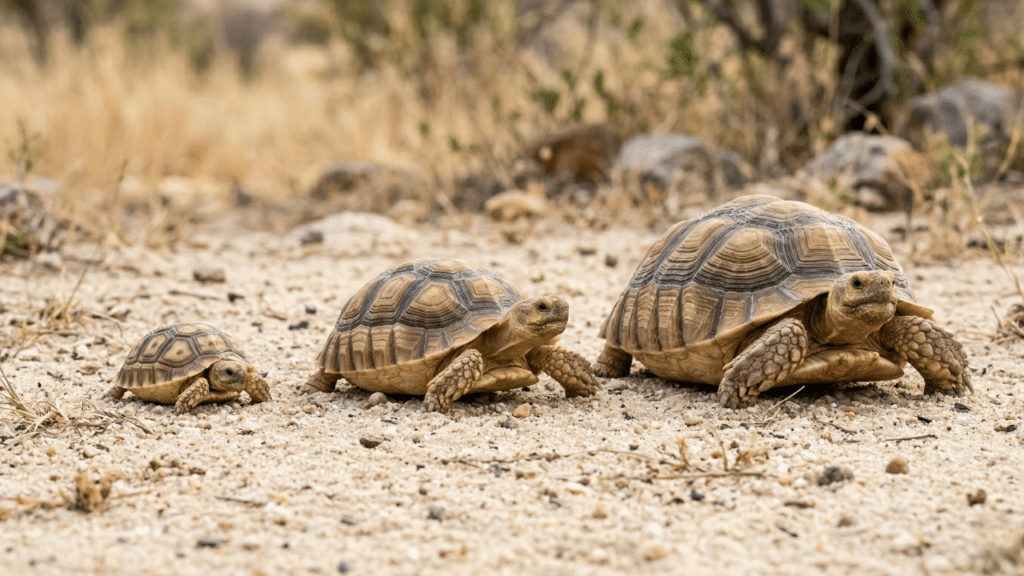
Baby Sulcata Protein Requirements by Growth Stage
These targets represent the percentage of total dietary dry matter that should come from protein at each stage. They are not rigid prescriptions — individual tortoises vary — but they provide a science-grounded framework for calibrating your feeding approach.
| Life Stage | Age | Protein Target | Primary Focus |
|---|---|---|---|
| Hatchling | 0–6 months | 14–18% | Organ development, shell formation |
| Young Juvenile | 6–12 months | 12–15% | Bone strengthening, muscle growth |
| Older Juvenile | 12–18 months | 10–12% | Digestive maturation, transition |
| Transition | 18–24 months | 8–10% | Gradual reduction, close monitoring |
| Adult | 24+ months | 4–8% | Maintenance, kidney protection |
One thing the table above makes clear: protein reduction isn’t an event, it’s a process. Dropping protein levels too abruptly during the transition phase can cause just as many problems as keeping them too high for too long. The 18–24 month window is critical — monitor your tortoise’s growth and body condition closely and let those observations guide your pace.
The Right Kind of Baby Sulcata Protein — Source Matters as Much as Amount
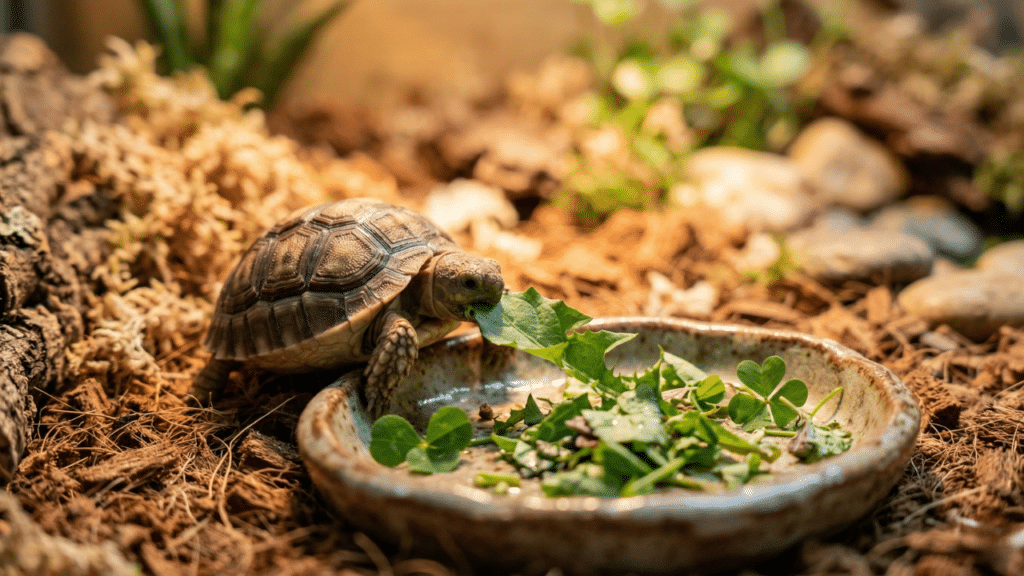
This is where a lot of keepers go wrong even when they’re trying to do things right. Protein quantity matters, but protein source matters equally. Baby sulcatas — like all sulcatas — are obligate herbivores. Their digestive systems are not equipped to process animal-based protein efficiently, and feeding it to them, even occasionally, puts unnecessary stress on kidneys that are still developing.
All protein for a baby sulcata should come from plants. The good news is that plant-based options can fully meet their amino acid needs if you choose and combine them thoughtfully.
High-Protein Grasses and Hays
These should form the foundation of a baby sulcata’s diet and represent the best natural protein sources available:
- Alfalfa (young plants) — 18–22% protein. The single highest-protein grass available for sulcatas and an excellent foundation food for hatchlings.
- Fresh clover — 15–18% protein. Highly palatable and rich in amino acids; offer frequently for babies under 12 months.
- Timothy grass (young shoots) — 10–12% protein. Lower in protein than alfalfa but essential for fiber balance; use alongside higher-protein sources.
- Bermuda grass (tender tips) — 8–12% protein. A staple outdoor grazing grass that also contributes meaningfully to protein intake.
A critical detail most guides omit: protein content in grasses drops sharply as the plant matures. Young, tender growth is nutritionally very different from dry, mature hay. For baby sulcatas especially, prioritize fresh, young plant material whenever possible.
Protein-Rich Leafy Greens
These contribute essential amino acids alongside vitamins and minerals that grasses alone don’t provide:
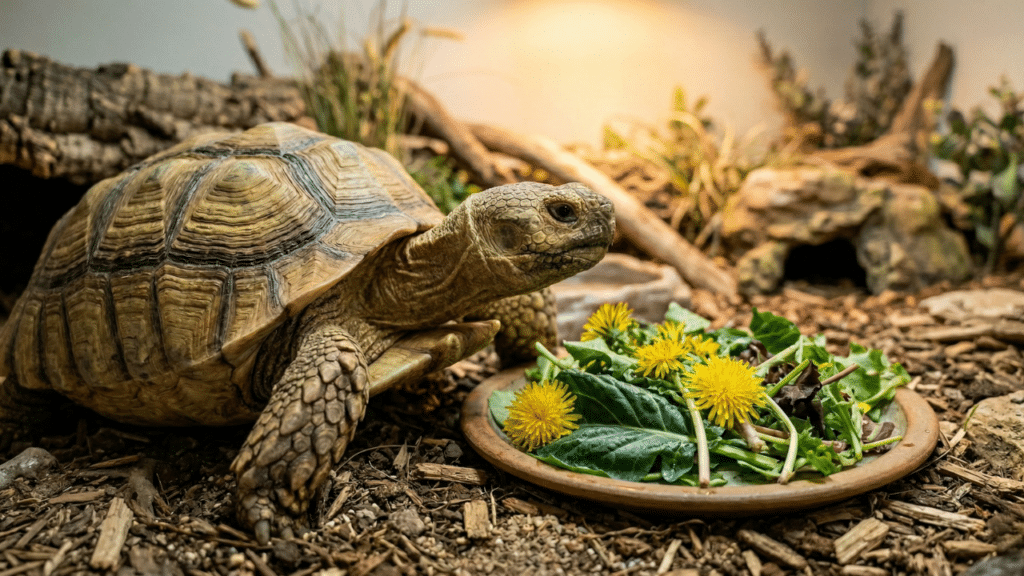
- Dandelion greens — highly digestible, broadly nutritious, and one of the most sulcata-appropriate greens available at any life stage.
- Mustard greens — a good protein contributor; feed in rotation with other greens rather than as a daily staple.
- Collard greens — solid nutritional profile; use as part of a varied rotation.
- Turnip greens — good variety option; contributes to overall dietary diversity.
The percentage figures for individual greens are modest, but these foods make up a significant daily volume — their collective protein contribution adds up meaningfully over the course of a week.
Legumes: Useful but Limited
Fresh pea plants, bean plants, and lentil plants offer useful protein (4–8%) but must be offered sparingly. Legumes are high in phosphorus, which can throw off the calcium-to-phosphorus balance that is critical for shell and bone health. Treat them as an occasional rotation food rather than a dietary staple.
Are You Starving Your Tortoise?
Save 10% on premium tortoise food and supplements from Tortoise Resource Center on Amazon now using code BUYNOWGET10
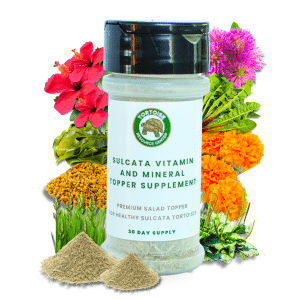
Sulcata Vitamin & Mineral Topper Supplement
30-Day Supply | 2 oz (56 g)
$24.99
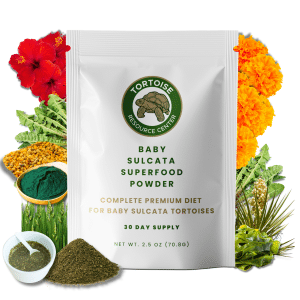
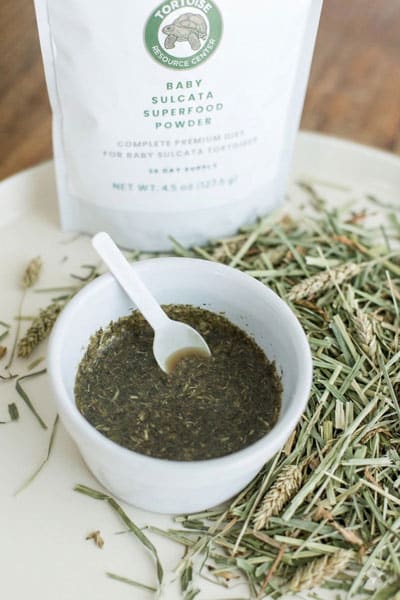
Baby Sulcata Tortoise Superfood Powder
30-Day Supply | 2.5 oz (70.8 g) Bag
$24.99
Why Amino Acid Variety Matters — Not Just Total Protein
Protein is measured as a single number, but it’s not a single nutrient. Protein is made up of amino acids, and sulcatas require specific amino acids in sufficient quantities to support the different systems under construction during the growth phase.
The most important amino acids for growing sulcatas, and what they support:
- Lysine — critical for shell integrity and bone mineralization. Deficiency during the growth phase has direct consequences for shell structure that can persist into adulthood.
- Methionine — essential for the keratin formation that makes up the scutes of the shell. Without adequate methionine, shell quality suffers regardless of calcium intake.
- Tryptophan — supports growth regulation and stress resilience. Chronically stressed hatchlings often show depleted tryptophan status.
- Threonine — important for gut lining integrity and immune function.
- Leucine, isoleucine, and valine — the branched-chain amino acids that drive muscle tissue development.
No single plant food provides all of these in optimal proportions. This is why dietary variety is not optional for baby sulcatas — rotating between grasses, legumes, and leafy greens throughout the week is what builds a complete amino acid profile. Relying on one or two foods, even high-quality ones, leaves gaps.
For keepers who want confidence that amino acid needs are being met — particularly for hatchlings where the growth window is short and the stakes are high — a targeted supplement formulated for baby sulcatas can fill those gaps reliably.
The Baby Sulcata Superfood Powder was developed specifically for this stage — providing the amino acid profile and micronutrients that growing sulcatas need without any animal-based protein or unnecessary fillers. It’s a straightforward way to support nutritional completeness during the months when it matters most. Use code BUYNOWGET10 for 10% off.
Recognizing Protein Problems in Both Directions
One of the most valuable skills in raising baby sulcatas is learning to read your animal’s body condition and development rate as a real-time indicator of nutritional status. Lab tests matter, but daily observation is your first line of feedback.
Signs of Protein Deficiency
These are signals that your baby sulcata’s protein intake — in quantity, quality, or both — is falling short of what their growth demands:
- Stunted or stalled growth — hatchlings under six months should show visible size increases week to week. Consistent weight plateau without illness is a red flag.
- Soft or irregular shell development — insufficient protein means insufficient keratin. Shells that flex, feel thin, or show irregular scute formation can reflect amino acid deficiency rather than calcium deficiency alone.
- Poor muscle tone — hatchlings that seem weak, struggle to support their own weight, or are reluctant to move normally may be under-nourished in protein.
- Slow wound or shell healing — protein is essential for tissue repair. Deficient tortoises recover slowly from even minor damage.
- Increased illness frequency — immune function depends on protein. A tortoise that gets sick repeatedly or takes a long time to recover warrants a dietary review.
Signs of Protein Excess
Overfeeding protein — particularly in the first six months — is just as harmful as underfeeding it:
- Abnormally rapid growth — explosive size increases that outpace natural developmental timelines can indicate excess dietary protein. Growth should be steady, not sudden.
- Early shell pyramiding — while pyramiding has multiple causes, excess protein combined with other dietary imbalances is a known contributor. Raised scutes in a hatchling under six months warrant immediate dietary review.
- Digestive irregularity — loose stools, abnormal waste, or digestive upset in young tortoises can indicate a diet too high in protein relative to fiber.
- Kidney stress symptoms — decreased appetite, lethargy, or periorbital swelling (puffiness around the eyes) are serious signs that require veterinary attention promptly.
Balancing Baby Sulcata Protein with the Rest of the Diet
Protein doesn’t operate in isolation — it has direct relationships with several other key nutrients, and optimizing one without considering the others creates new problems. Here’s what to keep in mind:
The Calcium-to-Phosphorus Balance
Many high-protein plant foods — particularly legumes and certain greens — are also high in phosphorus. Since calcium and phosphorus compete for absorption, a diet heavy in phosphorus-rich protein sources can produce calcium deficiency even when calcium supplementation appears adequate. Maintain a dietary Ca:P ratio of 2:1 or higher, and be especially mindful of this ratio when legumes are part of the weekly menu.
Foods high in oxalates — spinach, Swiss chard, beet greens — bind calcium directly and should be excluded or heavily restricted regardless of protein content. Their interference with calcium absorption makes them counterproductive even when the protein contribution looks useful on paper.
Fiber: Non-Negotiable Even for Hatchlings
The emphasis on protein for growing sulcatas is not a license to deprioritize fiber. Baby sulcatas still require consistent dietary fiber for gut motility, healthy digestive bacteria, and the slow fermentation processes their hindguts are designed around. Grasses and hay should always be present in the enclosure — even if hatchlings eat them less enthusiastically than adults. Fiber and protein work together, not in competition.
Vitamins and Minerals That Support Protein Use
Protein metabolism depends on specific micronutrients to function correctly. B vitamins are particularly important — they act as coenzymes in amino acid processing. Zinc and magnesium support protein synthesis at the cellular level. A diet that delivers adequate protein but is short on these cofactors results in poor utilization of the protein that is being consumed.
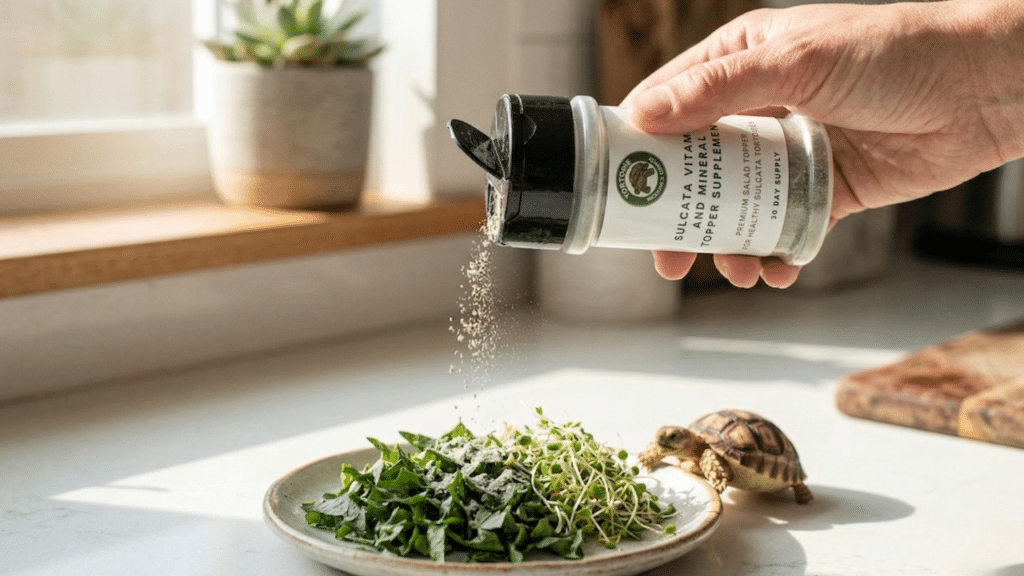
The Sulcata Vitamin & Mineral Topper includes these essential cofactors alongside the calcium and vitamin D3 that sulcatas need for shell health — making it a practical way to ensure protein is actually being used rather than just consumed. A light dusting over food a few times per week is all it takes.
Adjusting Baby Sulcata Protein Seasonally and for Temperature
Sulcatas are ectotherms — their metabolism, digestion, and growth rate are all tied to environmental temperature. This has a direct practical effect on how protein needs to be managed across different seasons and enclosure conditions.
- During warm months when enclosure temperatures are consistently optimal (85–100°F basking, 70–80°F ambient), your baby sulcata’s metabolism runs at full capacity. Growth is fastest, protein needs are at their peak, and fresh high-protein plant material is most available naturally.
- During cooler periods, if you allow natural temperature variation, metabolism slows and protein requirements decrease proportionally. Maintaining very high protein intake during these periods when the tortoise is less metabolically active can put unnecessary load on the kidneys and digestive system.
- For indoor setups where temperatures are kept consistent year-round, protein targets remain stable — but this is also why indoor keepers need to be more deliberate about providing dietary variety, since seasonal plant rotation isn’t happening naturally.
The practical takeaway: pay attention to your enclosure temperatures not just as a husbandry metric but as a guide to feeding intensity. Temperature and nutrition are connected more directly than most care guides acknowledge.
How to Monitor Baby Sulcata Protein Adequacy Over Time
The goal of a proper protein plan isn’t to hit a number on paper — it’s to raise a baby sulcata that grows consistently, develops normally, and enters adulthood with a sound foundation. That means measuring outcomes, not just inputs.
Weekly: Growth Tracking
For hatchlings under six months, weigh your tortoise and record shell length weekly. Consistent, steady increases confirm that protein and overall nutrition are adequate. A kitchen scale accurate to one gram is sufficient. Keep a simple log — even a spreadsheet or a notes app on your phone — and review the trend rather than individual measurements.
Monthly: Full Body Assessment
Once a month, do a hands-on evaluation: check muscle firmness (healthy hatchlings feel solid, not soft or squishy), examine the shell for any early irregularities in scute growth, and assess overall alertness and activity level. A well-nourished baby sulcata is curious, responsive, and active during warm periods of the day.
Annually: Veterinary Review
Annual wellness checks with a reptile-specialist veterinarian should include fecal testing for parasites, a physical assessment, and — ideally — a blood panel that evaluates kidney and liver function. Blood chemistry can reveal protein metabolism issues before they produce visible symptoms, making early intervention far more effective.
The Five Most Common Baby Sulcata Protein Mistakes
These are the errors that consistently appear in keeper communities and rescue intake records alike. Knowing them in advance is the most direct path to avoiding them:
- Applying adult protein guidelines to hatchlings. The 4–8% protein target that’s appropriate for a 20-year-old adult sulcata is genuinely inadequate for a six-month-old hatchling experiencing rapid growth. These are different animals nutritionally.
- Overcorrecting out of fear. Some keepers who learn about protein-related pyramiding respond by eliminating protein-rich foods almost entirely. Protein deficiency causes serious developmental harm. The answer is calibration, not elimination.
- Relying on too few food sources. Feeding alfalfa and dandelion greens exclusively, even if protein numbers look adequate on paper, doesn’t provide the amino acid variety needed for complete development. Rotate widely.
- Ignoring the fiber-protein balance. Raising protein intake by adding large quantities of legumes without proportionally increasing fiber content disrupts digestive function and throws off the Ca:P ratio simultaneously.
- Making abrupt dietary changes. Tortoise digestive systems adapt slowly. Moving from high-protein juvenile feeding to adult-level low-protein diets over a period of weeks rather than months causes unnecessary metabolic stress during an already demanding transition period.
Transitioning Away from High-Protein Feeding: Getting the Timing Right
The transition from baby sulcata protein levels to adult protein levels is one of the most consequential dietary decisions you’ll make as a keeper — and one of the most frequently rushed.
Most sulcatas are ready to begin the transition around 18 months, but readiness should be confirmed by development, not age. A tortoise that is still showing rapid growth, has not yet reached consistent shell hardness, or is visibly still in an active growth phase should stay at higher protein levels until those indicators change.
When you do begin the transition, reduce protein levels gradually — no more than 1–2 percentage points of dietary protein every 8–12 weeks. This means shifting the ratio of high-protein foods (alfalfa, clover) toward higher-fiber, lower-protein foods (timothy hay, bermuda grass, leafy greens), not cutting protein sources out abruptly.
Watch closely during this window for any signs that the reduction is happening too fast: slowed growth, decreased activity, changes in shell quality, or reduced appetite. Any of these signals warrant slowing the transition and reassessing before continuing.
The Long-Term Implications of Getting Baby Sulcata Protein Right
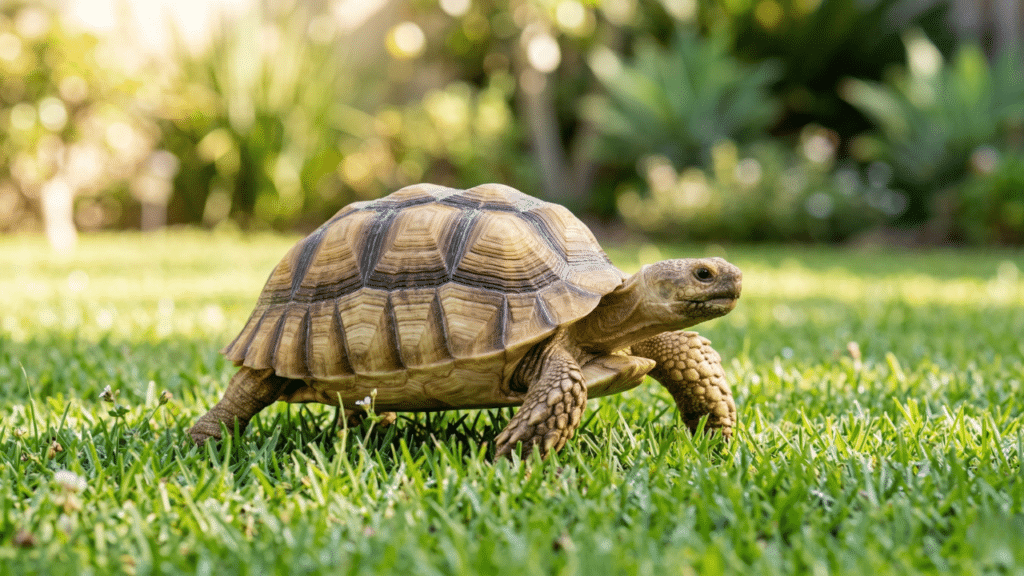
This is the part of the conversation that reframes everything else: the protein decisions you make during your sulcata’s first 18–24 months will influence their health for the next 50 to 70 years.
Baby sulcatas that receive appropriate protein during the growth phase develop shells with sound keratin structure that resists the deformities that cause lifelong health complications. They develop muscle systems that support normal mobility well into adulthood. Their kidneys and liver mature correctly, giving them the metabolic resilience that allows long lives. Their immune systems are robust enough to handle the environmental challenges that captive animals inevitably face.
Conversely, the consequences of protein deficiency during this period — weak shell structure, poor muscle development, compromised organ function — don’t correct themselves when the diet is improved later. The foundation is laid in the first two years. What you build on it for the next seven decades depends on how solid that foundation is.
Getting baby sulcata protein right isn’t just a hatchling care concern. It’s a lifetime investment.
If you’re raising a baby sulcata and want a reliable nutritional foundation during the critical early growth window, the Baby Sulcata Superfood Powder and Sulcata Vitamin & Mineral Topper are formulated specifically for this stage and this species. Both are available on Amazon — use code BUYNOWGET10 to save 10% on your order.